What Uganda’s Free National Park Days Really Mean for Hotels, Lodges & Tourism Businesses
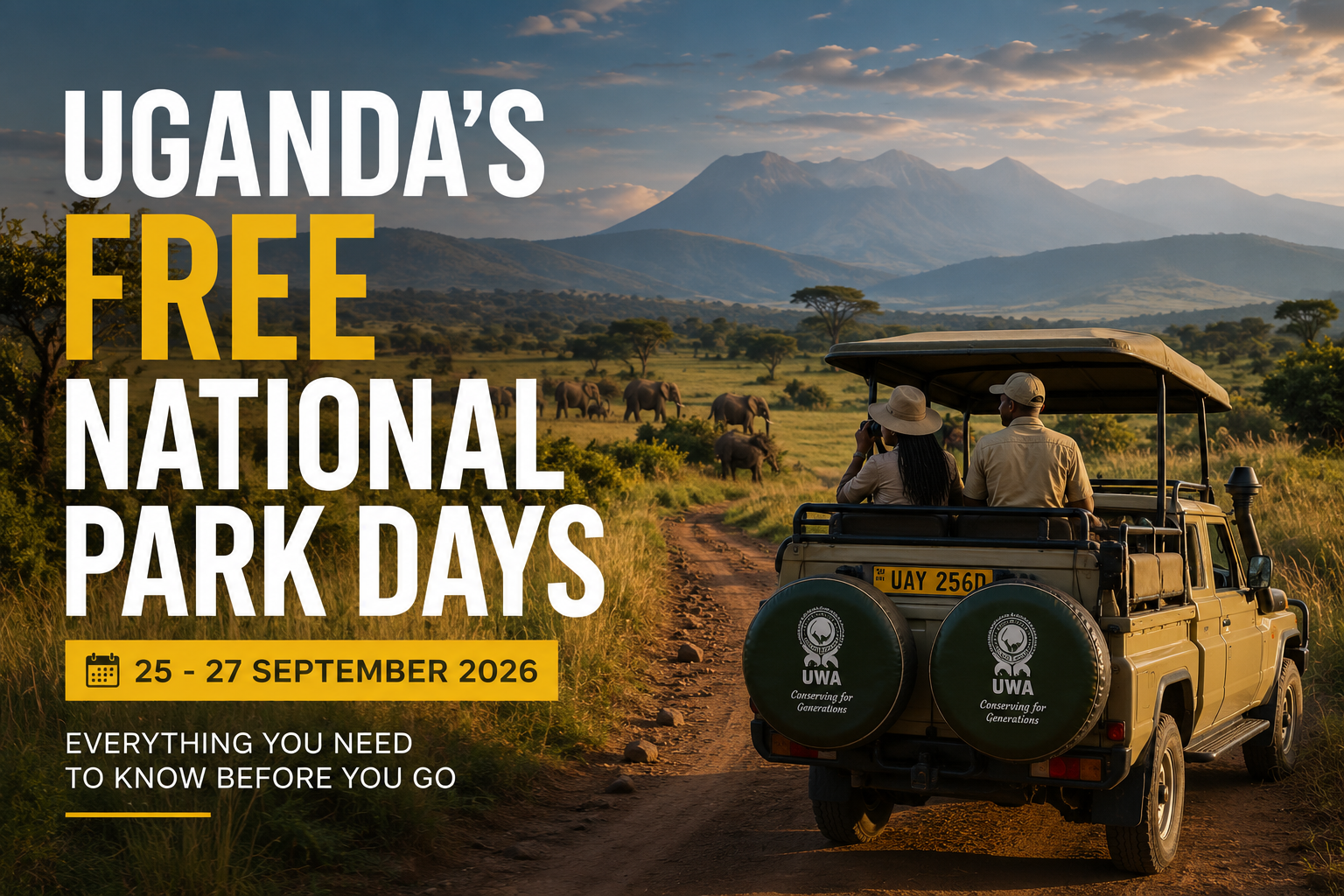
When Uganda announced Free National Park Days, the headlines focused on one thing: free entry into some of the country’s most iconic protected areas. For many Ugandans, it was an exciting opportunity to experience wildlife and nature without the usual entry fees.
But for hotels, lodges, tour operators, restaurants, and other tourism businesses, the announcement represented something far more valuable.
It was a reminder that domestic tourism is growing—and with it comes an opportunity for hospitality businesses that are prepared to market themselves effectively.
Free park entry may bring people to a destination, but it doesn’t determine where they stay, where they eat, or which experiences they choose. Those decisions are influenced by one thing: marketing.
Free Entry Creates Demand. Marketing Captures It.
Every tourism campaign begins with awareness.
Uganda Wildlife Authority’s initiative succeeded in getting people talking about travel. Families started planning weekend getaways. Couples looked for romantic escapes. Groups of friends discussed road trips to national parks they had never visited before.
That’s demand.
The businesses that benefit most are not necessarily those closest to the parks. They’re the ones that are easiest to discover.
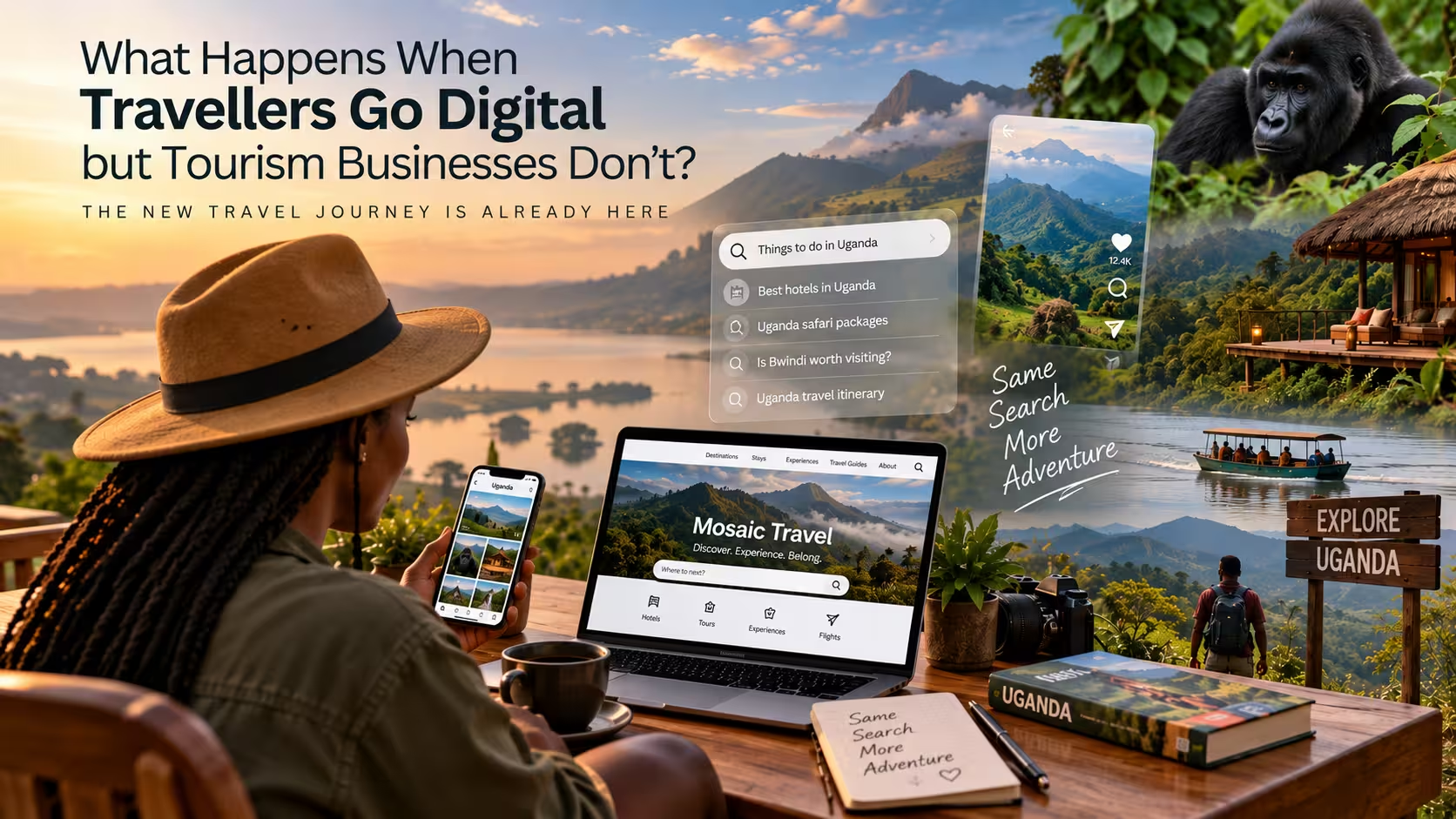
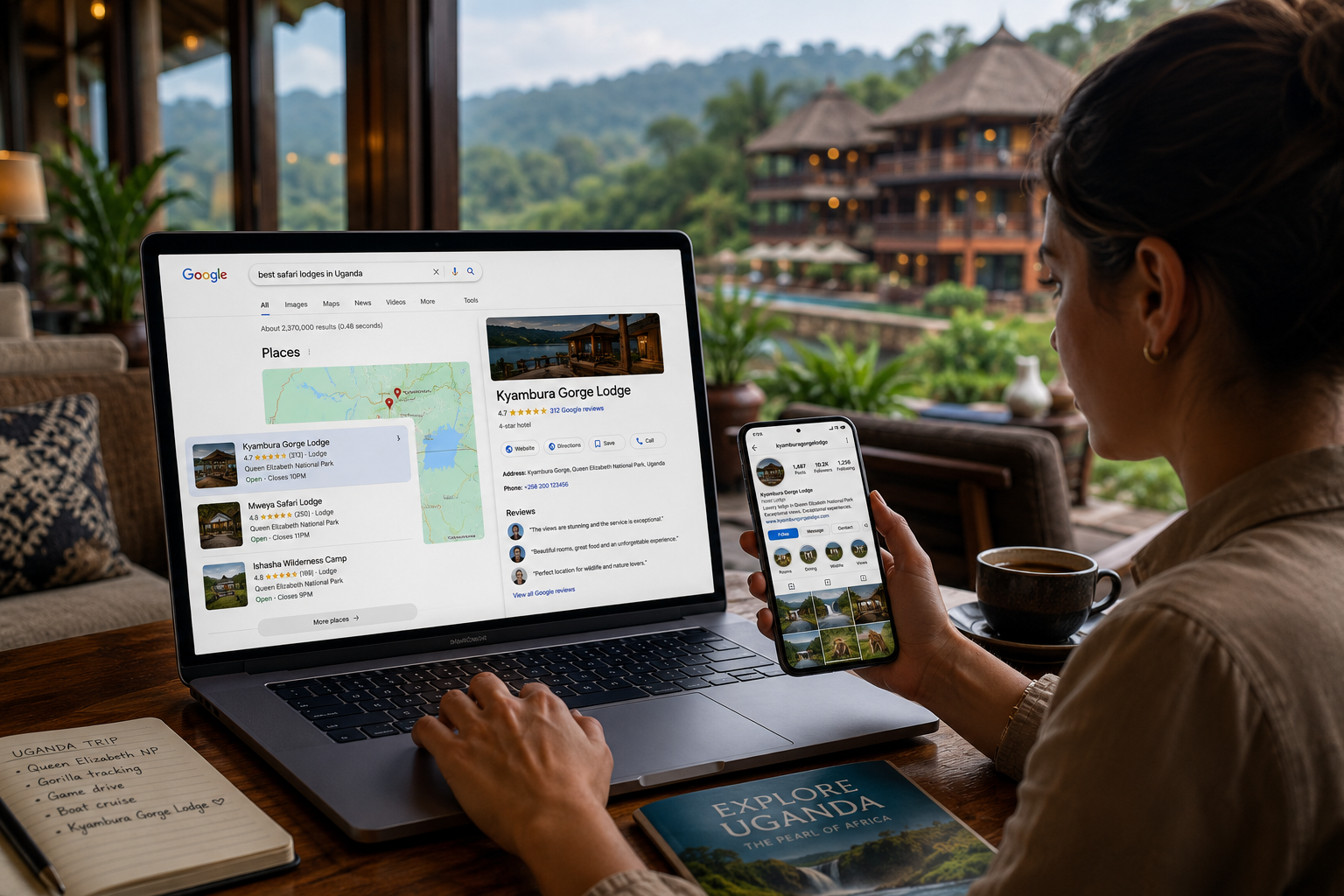
Think about how people plan a trip today. Before making a booking, most travellers will search Google, browse Instagram, watch TikTok videos, compare reviews, or ask for recommendations on WhatsApp. If your business isn’t visible during that process, you’re missing potential guests before they even begin their journey.
This is why hospitality marketing has become one of the most important investments any hotel or lodge can make.
Today’s Traveller Books Online Before They Travel Offline
The customer journey has changed dramatically over the last decade.
Years ago, guests relied heavily on travel agents or recommendations from friends. Today, they rely on digital platforms.
A typical traveller might:
- Search for hotels near a national park.
- Compare prices across different properties.
- Check Google Reviews.
- Browse Instagram to see real photos.
- Visit your website.
- Send a WhatsApp inquiry.
- Read guest testimonials before making a final decision.
Every one of these interactions shapes their perception of your business.
That’s why your online presence is no longer just part of your marketing. It is part of your customer experience.
Why Some Hospitality Businesses Miss These Opportunities
Many hotels and lodges offer incredible experiences but still struggle with occupancy during peak travel periods.
The problem often isn’t the product—it’s visibility.
Here are some common marketing gaps we see across the hospitality industry.
Inconsistent Social Media
Posting only when bookings are slow doesn’t create demand.
Successful brands maintain a consistent presence, sharing valuable content throughout the year so they’re already top of mind when travellers begin planning.
Poor Visual Content
Hospitality is one of the most visual industries in the world.
Low-quality photos and videos make even beautiful properties look ordinary.
Professional photography, drone footage, and short-form video content help travellers imagine themselves staying at your property.
That emotional connection drives bookings.
Outdated Websites
A slow or outdated website can cost you customers.
If visitors struggle to find room rates, availability, or contact information, they’ll simply move to the next option.
Your website should make booking quick, simple, and mobile-friendly.
Hospitality Marketing Is About Selling Experiences
One of the biggest mistakes hotels make is marketing rooms instead of experiences.
Travellers don’t dream about beds.
They dream about watching the sunrise from a balcony overlooking nature, enjoying breakfast with panoramic views, relaxing beside a swimming pool after a game drive, or ending the evening around a bonfire under the stars.
Instead of advertising room features alone, tell the story of the experience guests can expect.
Emotion sells travel.
Five Marketing Strategies Every Tourism Business Should Adopt
Government initiatives like Free National Park Days create interest, but it’s up to individual businesses to convert that interest into bookings.
Here are five practical strategies.
1. Create Seasonal Travel Packages
Package accommodation with experiences.
Offer family weekends, honeymoon escapes, adventure packages, or corporate retreat deals that make planning easier for guests.
Packages often outperform standalone room promotions because they provide greater perceived value.
2. Invest in Professional Content Creation
Content is one of the strongest tools in digital marketing.
High-quality photography and engaging videos can be used across your website, social media, advertising campaigns, and booking platforms for months.
Good content doesn’t simply showcase your property.
It builds desire.
3. Optimise Your Google Presence
Many travellers discover hotels through Google Search and Google Maps.
Ensure your business profile includes:
- Updated contact information
- Professional images
- Accurate location
- Guest reviews
- Opening hours
- Website link
Small improvements here can significantly increase enquiries.
4. Run Targeted Digital Marketing Campaigns
Instead of advertising to everyone, target specific audiences.
Families respond to different messaging than honeymooners.
Corporate travellers have different priorities than backpackers.
Digital marketing platforms allow businesses to reach exactly the people most likely to book.
That makes advertising more efficient and more profitable.
5. Encourage Guest Reviews
Reviews influence booking decisions more than many businesses realise.
After every stay, encourage satisfied guests to leave reviews on Google or other travel platforms.
Positive reviews build trust and improve search visibility.
They’re one of the most effective forms of marketing because they come directly from your customers.
Domestic Tourism Is Here to Stay
For years, many hospitality businesses focused primarily on international visitors.
That approach is changing.
Ugandans are travelling more frequently for holidays, birthdays, anniversaries, staycations, conferences, team-building retreats, and weekend escapes.
Government initiatives that encourage local travel only strengthen this trend.
Businesses that position themselves for domestic travellers today will be better prepared for future growth.
The opportunity extends far beyond one promotional campaign.
The Real Opportunity Isn’t the Free Park Entry
The real opportunity lies in everything that happens before and after someone visits a national park.
Where do they stay?
Where do they eat?
Where do they relax?
Which activities do they book?
Which lodge do they recommend after returning home?
Marketing influences every one of these decisions.
Businesses that consistently invest in their brand, digital presence, and customer experience are the ones that continue attracting guests long after the campaign has ended.
Final Thoughts
Uganda’s Free National Park Days are more than a conservation initiative. They are a signal that interest in domestic tourism is growing and that more people are actively exploring the country’s incredible destinations.
For hotels, lodges, resorts, tour operators, and tourism businesses, this presents a valuable opportunity—not just to attract visitors during a single weekend, but to build long-term relationships with a growing market.
The businesses that succeed won’t simply wait for travellers to arrive. They’ll be visible online, tell compelling stories, showcase unforgettable experiences, and make it easy for guests to choose them.
How Mosaic Marketing Collective Can Help
Opportunities like Uganda’s Free National Park Days come and go, but businesses that invest in consistent marketing continue seeing results long after the campaign ends. At Mosaic Marketing Collective, we partner with hotels, lodges, resorts, and tourism businesses to build brands that attract the right guests through strategic hospitality marketing, professional content creation, digital marketing, and performance-driven campaigns.
Whether you’re looking to increase direct bookings, improve your online visibility, or position your property as a preferred destination, we’re here to help you create marketing that delivers measurable results.
Let’s build a hospitality brand that travellers don’t just visit but remember.